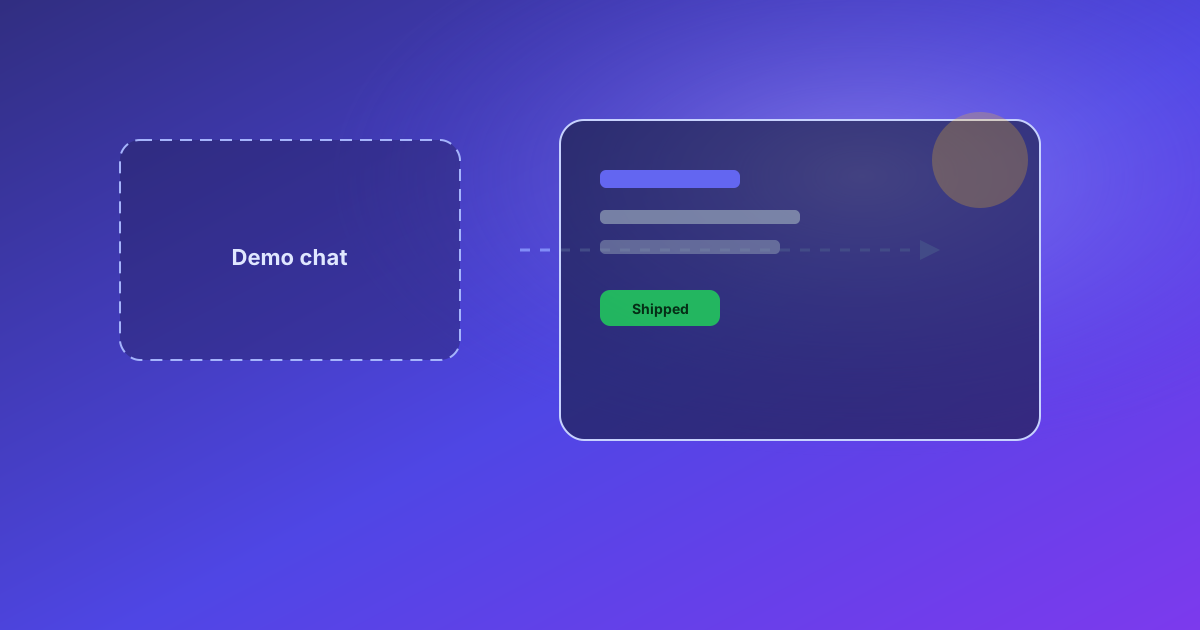
The demo is not the job
Most AI pilots fail quietly. Not because the model was wrong, but because the organization never agreed on what “done” looks like after the first impressive answer.
A chat window celebrates fluency. Your business celebrates shipped work: a ticket closed, a brief published, a customer onboarded, a dashboard refreshed. When those outcomes live only in someone's personal ChatGPT history, the pilot dies the moment the champion changes roles.
What an operating layer adds
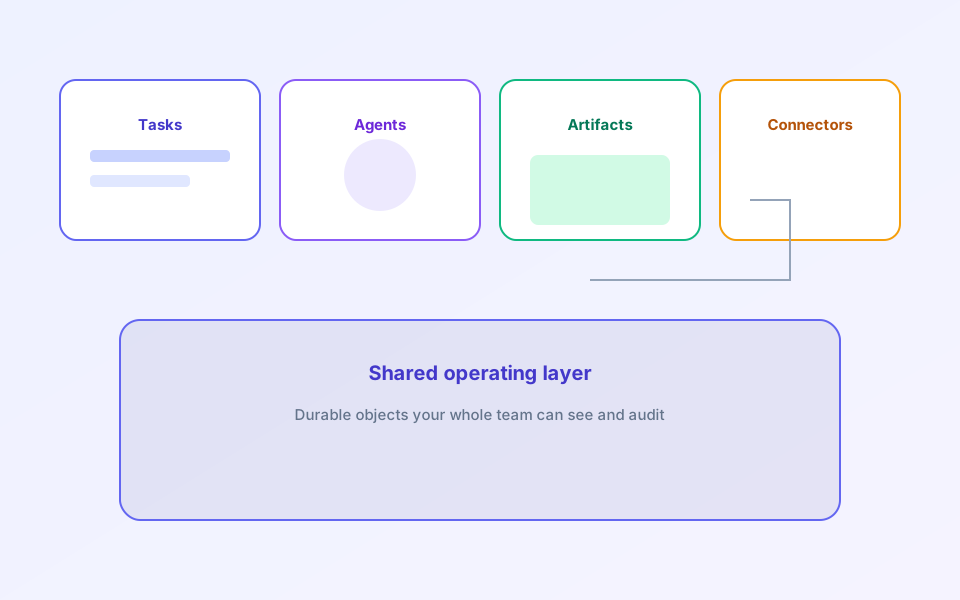
Smart AI Team is built around durable objects your team already understands—tasks, agents with roles, artifacts, connectors under policy—not ephemeral threads. That shift sounds subtle until you try to audit who changed what last Tuesday.
- Work is visible on a board, not buried in a sidebar.
- Agents inherit org context: who owns what, which tools are allowed, which models are funded.
- Automation (pulse, cron, workflows) is observable, not a mystery script on someone's laptop.
A practical next step
Pick one recurring workflow your team already measures—weekly reporting, tier-one support triage, release notes—and run it inside a workspace with a named owner and a definition of done. If you cannot describe success without opening a chat log, the pilot is still a demo.
For architecture and tenancy detail, see our documentation on workspaces and security; this post is about the organizational pattern, not wire formats.